


The holidays are full of celebrations—and increased DWI enforcement across Raleigh and the Triangle. If your goal is to enjoy the holiday season without risking a North Carolina DWI charge, the best plan is a proactive one.
Join our team from the Coolidge Law Firm, as our DWI lawyers explore practical, realistic ways to stay safe, make responsible choices, and avoid a DWI during the 2025 holiday season.
Table of Contents
- • What North Carolina Drivers Should Know Before Holiday Travel
- • Plan a Sober Ride Home Before Celebrations Begin
- • Practical Ways To Keep Yourself Out Of DWI Trouble
- • How to Reduce Your Guests’ Risk When Hosting Holiday Parties
- • What to Do If You’re Pulled Over for DWI In Raleigh During the Holidays
- • Contact a Raleigh DWI Attorney This Holiday 2025 Season
What North Carolina Drivers Should Know Before Holiday Travel
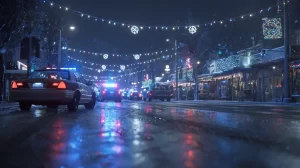 Holiday patrols, saturation patrols, and sobriety checkpoints are common in and around Raleigh from Thanksgiving through New Year’s.
In North Carolina, the per se limit is 0.08% BAC for most drivers; it’s 0.04% for commercial drivers and zero tolerance for impaired drivers under the age of 21. Refusing a chemical sobriety test after a lawful arrest can trigger an immediate license revocation under the state’s implied consent laws.
Planning ahead is the single most effective way to stay safe and avoid a DWI during the 2025 holiday season.
Plan a Sober Ride Home Before Celebrations Begin
Set your transportation strategy before the festivities begin. A clear plan reduces uncertainty, supports safer choices as the night unfolds, and takes the pressure off split-second decisions. With expectations set early, you can enjoy the holiday celebration while minimizing the risk of impaired driving.
Choose Your No-Alcohol Driver Early
Pick a designated driver who agrees to stay alcohol- and drug-free for the entire evening. Rotate the role within your friend group so the same person isn’t stuck driving all season. Confirm the plan in your group chat and share locations so pickup logistics are easy.
Set Up Rideshare and Backup Options
Download and update your rideshare apps, add a current payment method, and save your home address. If surge pricing hits, have a backup such as public transit schedules, a taxi number, or a trusted friend you can call. Consider purchasing a preloaded transit card so you’re never scrambling at midnight.
Book the “End Of Night”
If you already know the event may run late, reserve a nearby hotel room or plan to stay with a host who has a sober household member. Pre-packing an overnight kit in your trunk removes the last excuse to risk driving.
Practical Ways To Keep Yourself Out Of DWI Trouble
Avoiding a DWI isn’t just about abstaining from alcohol—it’s about making smart, proactive choices throughout the night. From how you pace yourself to the decisions you make before leaving an event, small habits can make a big difference. A mindful approach keeps you, your passengers, and everyone on the road safe this holiday season.
Eat, Hydrate, and Pace YourselfFood slows absorption but does not prevent impairment. Alternate alcoholic drinks with water, and set a reasonable drink limit before you start. Remember that craft cocktails and holiday punches can conceal high alcohol content. |
Skip “One For The Road”The drink you have right before leaving is the one most likely to push you over the line. Close your tab 30–60 minutes before you plan to go and switch to non-alcoholic beverages. |
Avoid Mixing Alcohol and MedicationsCold medicines, sleep aids, antidepressants, and anxiety medications can magnify impairment and create side effects that look like intoxication. Read labels, talk to your pharmacist, and if there’s any doubt—don’t drink. |
Don’t “Sleep It Off” In The Driver’s SeatEven if the car isn’t moving, you can face charges if you’re in control of a vehicle while impaired. If you must wait in the car for a ride, sit in the back seat with the keys out of reach and the engine off. Better yet, wait indoors or with the host. |
Use a Personal Breath Tester WiselyPersonal devices can be a helpful data point but are not a green light to drive. Results can be inaccurate based on calibration, timing, and how your body processes alcohol. Treat any reading as a caution, not permission. |
Stay Alert and Plan AheadThinking ahead, setting boundaries, and staying mindful during celebrations will help you make smarter, safer choices and avoid the risk of a DWI this holiday season. |
How to Reduce Your Guests’ Risk When Hosting Holiday Parties
 Hosting during the holidays means looking out for your guests as much as celebrating with them. Creating an environment that encourages responsible choices can prevent accidents and legal issues long after the party ends. With a few thoughtful steps, you can ensure everyone enjoys the night and gets home safely.
Serve Substantial Food and Non-Alcoholic Choices
Offer protein-rich appetizers and a range of zero-proof options that feel festive. Clearly label spiked and non-spiked punch so guests can make informed choices.
Close the Bar Early
Stop serving alcohol an hour before the event ends. Switch to coffee, tea, and mocktails while rides are arranged and leftovers are packed.
Help Guests Get a Safe Ride
Create a rideshare zone at your curb and share a group code for discounts if available. If a guest seems impaired, take the keys and call them a ride or offer your couch.
What to Do If You’re Pulled Over for DWI In Raleigh During the Holidays
Holiday DWI patrols across Raleigh and Wake County are often more active than at any other time of year. Knowing how to handle a stop calmly, lawfully, and respectfully can protect both your rights and your case.
Step 1: Pull Over Safely and Stay CalmAs soon as you see flashing lights, signal, slow down, and stop in a safe, well-lit area. Keep your hands visible on the steering wheel and wait for the officer to approach. Avoid sudden movements, and remember that remaining calm sets the tone for a smoother interaction with law enforcement. |
Step 2: Be Polite and Provide Required InformationYou must provide your driver’s license, registration, and proof of insurance when asked. Stay respectful and cooperative—arguing or acting defensive can escalate the encounter. However, you are not required to answer questions about where you were, what you drank, or how much. A courteous statement such as, “I prefer not to answer any questions,” is both lawful and appropriate. |
Step 3: Understand Field Sobriety Tests Are OptionalIn North Carolina, roadside field sobriety tests—such as walking a straight line or following a pen with your eyes—are voluntary. You have the right to decline these exercises politely. Remember that these tests are designed to gather evidence, not to prove your innocence. If you choose to decline, do so calmly without argument or explanation. |
Step 4: Know How Portable Breath Tests WorkOfficers may also request a roadside or preliminary breath test using a handheld device. These results are not admissible in court but may be used to justify an arrest. You can refuse a roadside breath test without facing an immediate penalty. However, once you are lawfully arrested, North Carolina’s implied consent law applies to evidentiary breath or blood tests given at the station. |
Step 5: Be Aware of Implied Consent Rules After ArrestIf you are arrested, you will be asked to take a breath or blood test at a law enforcement facility. Refusing a BAC chemical test can result in an immediate one-year license revocation, even if you’re never convicted of DWI. You have the right to contact an attorney before completing the test and, if feasible, to have a witness observe the procedure—so long as this does not cause unnecessary delay. |
Step 6: Avoid Volunteering Information or Making AdmissionsThe less you say, the better. Do not discuss your evening, how much you drank, or what medications you’ve taken. Anything you say can later be used as evidence against you. Politely exercising your right to remain silent is a legal safeguard, not a sign of guilt. |
Step 7: Document What Happened as Soon as PossibleIf you are released or once you’ve spoken to your attorney, write down everything you remember—where you were stopped, what time it occurred, and what the officer said or did. These details can be invaluable in building your DWI defense later. |
Step 8: Contact a Raleigh DWI Lawyer ImmediatelyIf you are arrested or charged, don’t face it alone. DWI charges in North Carolina carry serious penalties—license suspension, fines, potential jail time, and lasting impacts on your record. Contacting a reputable Raleigh DWI lawyer right away ensures your rights are protected from the start. An attorney can review the legality of the stop, challenge the evidence, and guide you through next steps for restoring your license and defending your case. |
Contact a Raleigh DWI Attorney This Holiday 2025 Season
The Coolidge Law Firm represents clients in the Greater Triangle area of Raleigh and throughout Wake County and can advise you on next steps tailored to your unique situation. Our experienced defense attorneys will move quickly to protect your license, evaluate the stop and checkpoint procedures, scrutinize field sobriety tests, preserve key evidence, and identify defenses that fit the facts of your case.
If you’ve been arrested or have questions about a pending DWI case, contact us today to schedule a confidential consultation by calling (919) 239-8448 or filling out our contact form to get started.

 Menu
Menu Practices
 Reviews
 Contact