




Sex offense allegations are among the most serious criminal charges a person can face in North Carolina. These cases can involve complex legal standards, digital evidence, search warrants, witness statements, and related campus or professional proceedings. The decisions made early in an investigation, including how to respond to law enforcement or a request for records, can affect the course of the case.
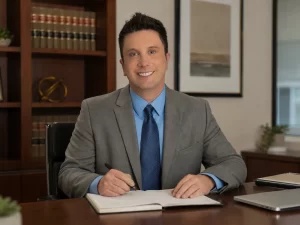
Attorney David Coolidge is highly experienced representing clients facing charges for sexually motivated offenses in Raleigh, Wake County, and across the Research Triangle. At Coolidge Law Firm, Attorney Coolidge provides strategic criminal defense for individuals under investigation or accused of serious sex crimes, with careful attention to the evidence, legal process, and constitutional issues that may affect the case.
Table of Contents
Early Defense Steps in a North Carolina Sex Offense Case

Many sexually motivated charges in North Carolina are addressed in Article 7B of Chapter 14, titled “Rape and Other Sex Offenses.” Rather than creating one broad “sex crime” charge, the statute defines the terms and circumstances that can determine how an allegation is charged and evaluated.
Depending on the accusation, those statutory definitions may involve:
- Whether the conduct was alleged to occur without consent or after consent was withdrawn
- Whether a person was alleged to be mentally incapacitated, physically helpless, or unable to communicate unwillingness
- Whether the allegation involves vaginal intercourse, another defined sexual act, or sexual contact
- Whether age, an alleged position of authority, or another statutory factor affects the charge
Other allegations, including indecent liberties, electronic solicitation, and sexual exploitation of a minor, are addressed in separate parts of North Carolina’s criminal code.
Reviewing the Specific Charge, Summons, or Court Notice
If you have received a criminal summons, warrant, indictment, court notice, or request to speak with law enforcement, the paperwork may identify a specific North Carolina statute. That statute defines the offense the State is alleging and the facts prosecutors must prove beyond a reasonable doubt.
The citation on a charging document is only the starting point. When working with clients charged with sexual offenses, Attorney Coolidge reviews the charge, the language of the statute, and the facts alleged to determine what the State would need to establish and what legal issues may affect the case.
Examining the Evidence Behind the Allegation
Initial paperwork rarely tells the full story of an incident or claim. A charge may be based on an interview, messages, phone data, medical records, a search of a home or device, witness statements, or records from a college, workplace, or online account.
Attorney Coolidge evaluates the statute alongside the available evidence. This review can identify questions about the reliability of statements, the context of digital communications, the connection between a person and an account or device, and whether the available evidence supports the elements of the charge.
Responding to an Investigation Before Charges Are Filed
When it comes to some sex crime allegations, you may learn there is an investigation against you before an arrest ever occurs. For instance, law enforcement may request an interview, seek consent to search, serve a search warrant, or seize a phone, computer, or other device. A college or university may also issue a conduct-code notice before criminal charges are filed.
At this stage, it’s important to avoid deleting messages, changing account information, discarding devices, or attempting to access another person’s records. Instead, it’s the exact moment you should be reaching out to an experienced Raleigh criminal defense attorney.
At Coolidge Law Firm, Attorney Coolidge and his team:
- Review the circumstances of the investigation
- Explain the legal process
- Assess how the evidence was obtained
- Determine whether a search stayed within its authorized scope
- Evaluate what records may need to be preserved for the defense
Seeking Legal Counsel Does Not Mean Admitting Guilt
Speaking with a criminal defense attorney does not mean you are admitting to an allegation or accepting that charges will be filed. It allows you to understand the legal process, protect potentially relevant records, and make informed decisions before responding to law enforcement, a college, an employer, or another investigator.
Seeking legal advice is protected by attorney-client privilege. Attorney Coolidge can review your situation, explain the issues involved, and advise you on the appropriate next steps based on the facts and current stage of the investigation.
| Area of Review | Examples | Why It May Matter |
|---|---|---|
| Specific charge and statute | The offense and statute identified in a warrant, indictment, criminal summons, or other charging document | Identifies the elements prosecutors must prove and the potential consequences associated with the charge |
| Statements and interviews | Law enforcement interviews, witness accounts, reports, and recorded statements | May reveal inconsistencies, missing context, timeline issues, or disputes about what occurred |
| Digital evidence | Text messages, social media, account records, phone data, cloud storage, and file activity | May affect questions involving identity, account access, communication context, knowledge, or intent |
| Searches and seizures | Search warrants, supporting affidavits, seized devices, and forensic examinations | Can raise questions about probable cause, whether a search remained within its lawful scope, and how evidence was obtained |
| Objective records | Location data, call logs, photographs, video, receipts, medical records, and access records | May support, clarify, or conflict with statements and the alleged timeline |
| Related proceedings | College conduct matters, Title IX-related proceedings, employment reviews, or professional licensing matters | A separate proceeding may have its own deadlines and could affect decisions made in the criminal case |
Note: The evidence and legal issues involved vary by case. This table provides general information and does not describe every issue that may arise during a North Carolina sex offense investigation or prosecution.
Types of Sex Offense Charges Attorney Coolidge Handles
The Raleigh sex crime lawyers at Coolidge Law Firm represent clients facing a range of sexually motivated criminal charges throughout Wake County.
Rape, Forcible Sexual Offense, and Date Rape Allegations
North Carolina distinguishes rape from other forcible sexual offenses based on the alleged conduct.
Rape charges often involve claims of:
- Force
- Lack of consent
- Alleged incapacity
- Aggravating circumstances, such as a weapon or serious injury
- The presence of multiple alleged participants
Date rape is the term used when the people involved knew one another, had a prior relationship, or when alcohol or drugs are alleged to have affected a person’s ability to consent. If a client is charged with rape, Attorney Coolidge reviews the specific charge, the timeline, and the records that may confirm or challenge the State’s theory of events.
Statutory Rape and Statutory Sexual Offense Allegations
North Carolina has separate statutes for allegations involving a child under 13, a minor age 15 or younger, and situations where the accused is an adult or is alleged to be a specified number of years older.
Statutory rape and statutory sexual offense charges may involve claims that:
- Vaginal intercourse or another legally defined sexual act occurred
- The other person was below the age identified in the statute
- The accused met the age or age-difference requirement for the charge
- An alleged authority relationship affects how the conduct is charged
Attorney Coolidge reviews the charge, the records used to establish age, the relevant communications, and the factual timeline before advising a client on the defense options available to them.
Sexual Battery, Indecent Liberties, and Electronic Solicitation Allegations
Some sex offense charges concern alleged sexual contact rather than intercourse or another defined sexual act. Others focus on alleged conduct involving a child or communications with a child.
Sexual battery allegations involve claims of unwanted sexual contact, including:
- Contact by force
- Contact with a person alleged to have been mentally incapacitated or physically helpless
Allegations of indecent liberties with a child involve claims that an adult or older teenager took, or attempted to take, an improper or indecent liberty with a child under age 16 for a sexual purpose.
An electronic solicitation charge may involve text messages, social media, email, chat applications, gaming platforms, or other digital communication as evidence. Allegations may charge that communication was used to solicit a child to engage in unlawful sexual conduct.
For these cases, Attorney Coolidge reviews the statute, the alleged conduct, and the evidence the State intends to use, including whether messages or accounts can be reliably connected to a specific person.
Sexual Exploitation of a Minor and Child Pornography Charges
North Carolina law uses the term sexual exploitation of a minor for several offenses involving visual material. Coolidge Law Firm provides sex offense defense for individuals facing serious allegations of the sexual exploitation of a minor and child pornography.
These charges often involve allegations of:
- Producing or facilitating the creation of prohibited visual material
- Recording, copying, sharing, receiving, buying, selling, or exchanging files
- Knowingly possessing visual material covered by the statute
- Using a phone, computer, external drive, cloud account, or online platform in connection with the alleged conduct
Digital evidence is central in many North Carolina Child Sexual Assault Material (CSAM) cases, but a device or account name alone does not answer every question related to a charge.
When working with clients facing these very serious claims, Attorney Coolidge reviews search warrants, forensic reports, account access, file paths, timestamps, download activity, and the evidence used to link the alleged conduct to the person charged.
Federal Child Pornography Charges
Federal charges for child pornography tend to include cases where there are claims that material was produced, transmitted, received, distributed, transported, or possessed in circumstances covered by federal law. Federal sentencing rules differ from North Carolina state sentencing rules, and certain federal charges carry mandatory minimum prison penalties.
Attorney Coolidge represents clients facing federal child pornography charges. His specialized defense includes reviewing the federal charging documents, warrant materials, forensic analysis, and discovery to assess the government’s evidence, the legal issues involved, and building strategic defense.
College Sexual Misconduct Allegations
A college or university can open a sexual misconduct investigation without there being a NC criminal charge. This means that a school can conduct its own process while law enforcement investigates the same allegation separately.
Campus sexual misconduct cases often include claims of:
- Conduct that allegedly violated a student code of conduct or Title IX-related policy
- Sexual activity where the school alleges a lack of consent
- Communications, reports, or witness statements connected to an incident
- Violations of interim restrictions, no-contact directives, or university procedures
Attorney Coolidge represents students through the detailed review of the school’s allegation notice, the applicable conduct policy, the evidence available, hearing deadlines, and whether the campus process may affect a related criminal matter.
Potential Consequences of an NC Sex Offense Conviction
Upon conviction for a sex crime in North Carolina, the punishment depends on the offense, the statute, the person’s prior record, and whether the case is prosecuted in state or federal court. These are serious cases, and some charges carry substantial active prison exposure.
Potential consequences include:
- A felony or misdemeanor conviction and a permanent criminal record
- Jail or prison time, probation, post-release supervision, and court-ordered conditions
- Sex offender registration when the conviction qualifies as a reportable offense under North Carolina law
- Federal mandatory minimum penalties in certain federal visual-material cases
- Limits involving employment, professional licensing, education, housing, travel, firearm rights, or immigration status
- Suspension, expulsion, or other disciplinary action through a college or university process
North Carolina Defense Strategies Against Sex Crime Charges
No single defense strategy fits every case. Attorney Coolidge builds each client’s defense around the charge, available evidence, procedural stage, and the client’s legal priorities.
Depending on the circumstances, that may include:
- Testing the State’s evidence against the statute: Prosecutors must prove every required element beyond a reasonable doubt. This may include identity, age, intent, knowledge, alleged force, alleged incapacity, possession, distribution, or another fact required by the charge.
- Reviewing searches, seizures, and digital evidence: Attorney Coolidge examines search warrants, supporting affidavits, the scope of a search, seized property, and forensic methods used to examine phones, computers, online accounts, or cloud storage.
- Evaluating account and device access: Account registration or device ownership does not automatically establish who used it. A review of an electronic footprint may include account access, shared devices, file paths, timestamps, downloads, communications, internet activity, and preservation of electronic records.
- Comparing statements with objective records: Interviews, witness accounts, messages, call logs, location data, receipts, video footage, photographs, medical records, and other documentation may support or conflict with the alleged victim’s claims.
- Preparing for motions, negotiation, or trial: A case may involve bond conditions, discovery review, pretrial motions, expert consultation, plea negotiations, or jury trial preparation. The appropriate path depends on the evidence, legal issues, and possible consequences of the charge.
Schedule a Consultation for Raleigh Sex Offense Defense
Coolidge Law Firm represents people facing sex offense investigations, charges, and related college conduct matters in Raleigh and the surrounding areas of Wake County. Early legal representation can help protect your rights, preserve relevant evidence, and prevent avoidable decisions from affecting the direction of your case.
To discuss your specific case with Attorney Coolidge, schedule a confidential consultation today at (919) 239-8448 or fill out our online contact form to get started.

 Menu
Menu Practices
 Reviews
 Contact